
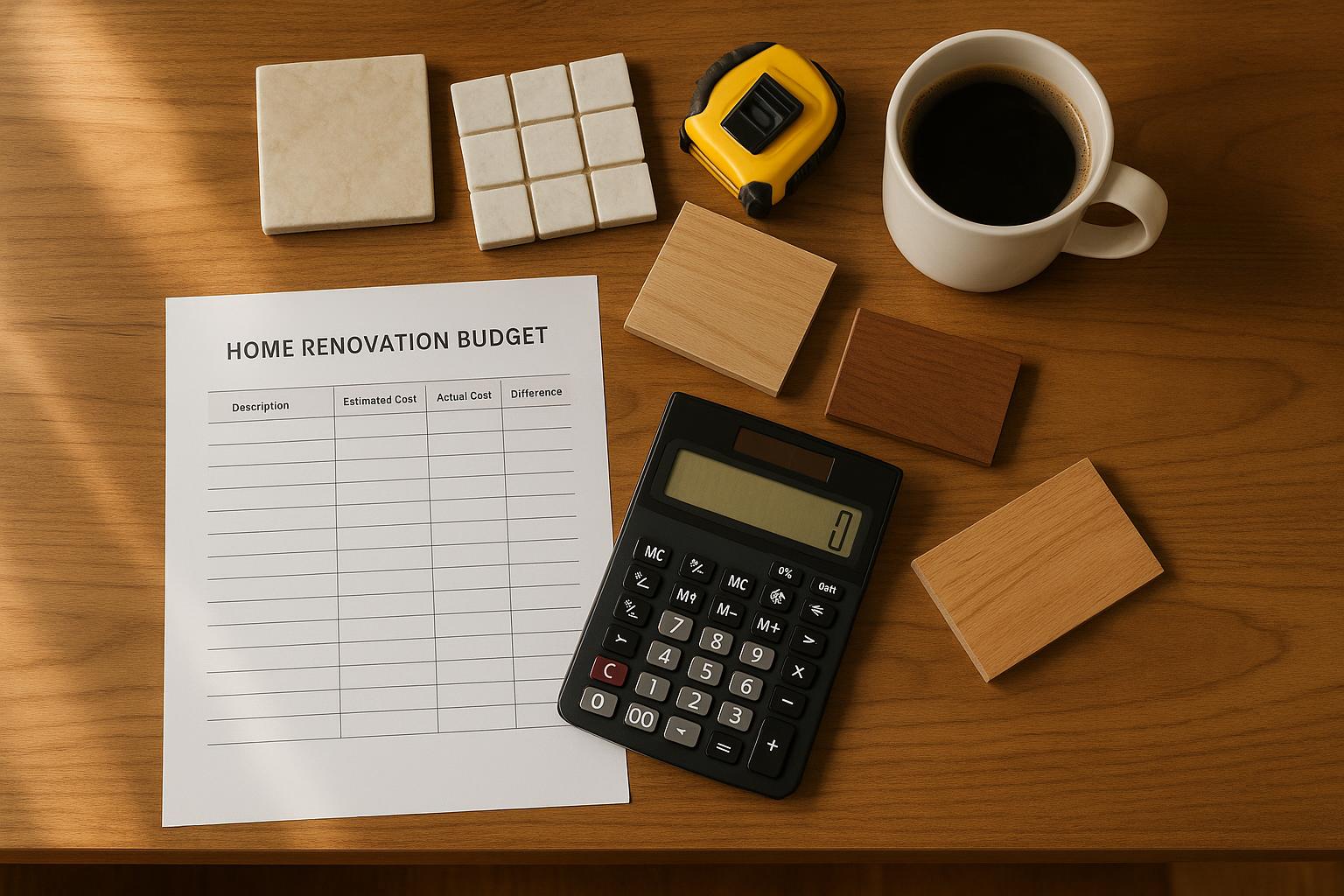
Why Budgeting Is the Most Important Step in Any Remodel
You've been scrolling through design inspiration for weeks. You know you want new countertops, better lighting, maybe a walk-in shower. But before you pick a single tile or schedule a consultation, there's one thing that will shape every decision you make: your budget.
Setting a realistic remodeling budget isn't just about picking a number and hoping for the best. It's about understanding what things actually cost in your market, building in room for the unexpected, and making sure you spend money where it matters most. For homeowners in San Diego, where material costs and labor rates can differ significantly from national averages, getting this step right is especially important.
At Old Mill Kitchen Bath, we've guided hundreds of San Diego homeowners through the budgeting process. Here's what we've learned about doing it well.
Step 1: Define the Scope Before You Set a Number
One of the most common budgeting mistakes is picking a dollar amount before you've clearly defined what you want to accomplish. A cosmetic refresh—new paint, updated fixtures, resurfaced cabinets—costs a fraction of a full gut renovation with structural changes and custom cabinetry.
Before you think about numbers, ask yourself these questions:
- Are you updating finishes or changing the layout?
- Do you need new plumbing, electrical, or HVAC work?
- Are permits likely to be required?
- Will you need temporary living arrangements during the project?
- Are you remodeling one room or multiple spaces?
The answers will dramatically affect your total cost. A bathroom remodel in La Jolla that involves moving plumbing lines is a fundamentally different project than one that keeps the existing layout and simply upgrades materials.
Step 2: Understand What Things Actually Cost in San Diego
National cost averages can be misleading. San Diego's cost of living, permit fees, and skilled labor rates mean that renovation costs here tend to run higher than the U.S. median. Here are some general ranges to help you start planning:
- Minor kitchen remodel: $25,000–$45,000
- Major kitchen remodel: $50,000–$120,000+
- Mid-range bathroom remodel: $15,000–$35,000
- Upscale bathroom remodel: $40,000–$75,000+
- Whole-home flooring installation: $8,000–$25,000
- Custom cabinetry: $10,000–$30,000+ depending on scope
These are ballpark figures, and your actual costs will depend on material selections, project complexity, and the condition of your existing space. The point isn't to memorize these numbers—it's to make sure your expectations are grounded in reality before you start making decisions.
Step 3: Build a Contingency Fund (and Actually Protect It)
Every experienced remodeler will tell you the same thing: surprises happen. Behind that tile might be water damage. Under that subfloor might be outdated wiring. The fixture you fell in love with might be backordered for three months, and the alternative costs more.
We recommend setting aside 10–20% of your total budget as a contingency fund. If your planned renovation is $50,000, that means keeping $5,000–$10,000 in reserve. This isn't money you plan to spend—it's money you have available if something unexpected comes up.
The key is discipline. Your contingency fund is not a bonus budget for upgrades. It's your safety net. If you finish the project without touching it, congratulations—you came in under budget.
Step 4: Prioritize Where You Spend
Unless your budget is unlimited, you'll need to make trade-offs. The good news is that not every dollar has the same impact. Here's how we help our clients think about prioritization:
Spend More On:
- Layout and functionality: A well-designed space will serve you for decades. This is not the place to cut corners.
- Plumbing and electrical: Getting the infrastructure right prevents costly problems down the road.
- Countertops and cabinetry: These are the most visible and most-used elements in kitchens and bathrooms. Quality here makes a noticeable difference.
Save Money On:
- Decorative hardware: Knobs, pulls, and towel bars can be swapped out easily and affordably later.
- Lighting fixtures: You can find stylish options at a range of price points without sacrificing aesthetics.
- Paint and accessories: These are the easiest and cheapest things to update if your taste changes.
This approach lets you invest in the bones of the project while keeping some flexibility on the finishing touches.
Step 5: Get Detailed Estimates, Not Ballpark Guesses
A vague quote is a red flag. When you're comparing remodeling contractors in San Diego, look for estimates that break down costs by category: demolition, materials, labor, permits, fixtures, and so on. A detailed estimate protects both you and your contractor by setting clear expectations from the start.
At Old Mill Kitchen Bath, we provide transparent, itemized proposals so our clients know exactly where their money is going. If something needs to change mid-project, we discuss it openly and get approval before moving forward. No surprises on the invoice.
Step 6: Consider Financing Options
Not every homeowner pays for a remodel out of pocket, and that's perfectly fine. Common financing options include:
- Home equity loans or HELOCs: These use your home's equity as collateral and often offer competitive interest rates.
- Personal loans: Unsecured loans that don't require home equity but may carry higher interest rates.
- Contractor financing: Some remodeling companies offer payment plans or partner with lending institutions.
- Cash-out refinancing: Replacing your existing mortgage with a larger one and using the difference for renovations.
Each option has trade-offs in terms of interest rates, repayment terms, and qualification requirements. We recommend talking to a financial advisor or your bank to determine what makes sense for your situation.
Step 7: Align Your Budget With Your Goals
Finally, your budget should reflect why you're remodeling in the first place. Are you renovating to sell your home in Coronado within the next year? Then focus on upgrades with the highest resale value and avoid over-improving for the neighborhood. Are you planning to stay in your El Cajon home for the next twenty years? Then invest in the features that will make your daily life better, even if they don't offer the highest ROI on paper.
There's no single right answer. The best budget is one that's honest about your financial limits, realistic about local costs, and aligned with what you actually want to achieve.
Ready to Start Planning?
Budgeting doesn't have to be stressful. With the right information and a contractor you trust, you can walk into your remodel with confidence. Old Mill Kitchen Bath helps San Diego homeowners plan, budget, and execute renovations that feel as good as they look.
If you're ready to talk numbers and start turning your vision into a plan, reach out to us for a free consultation. We'll help you understand what's possible within your budget—and make sure every dollar counts.